
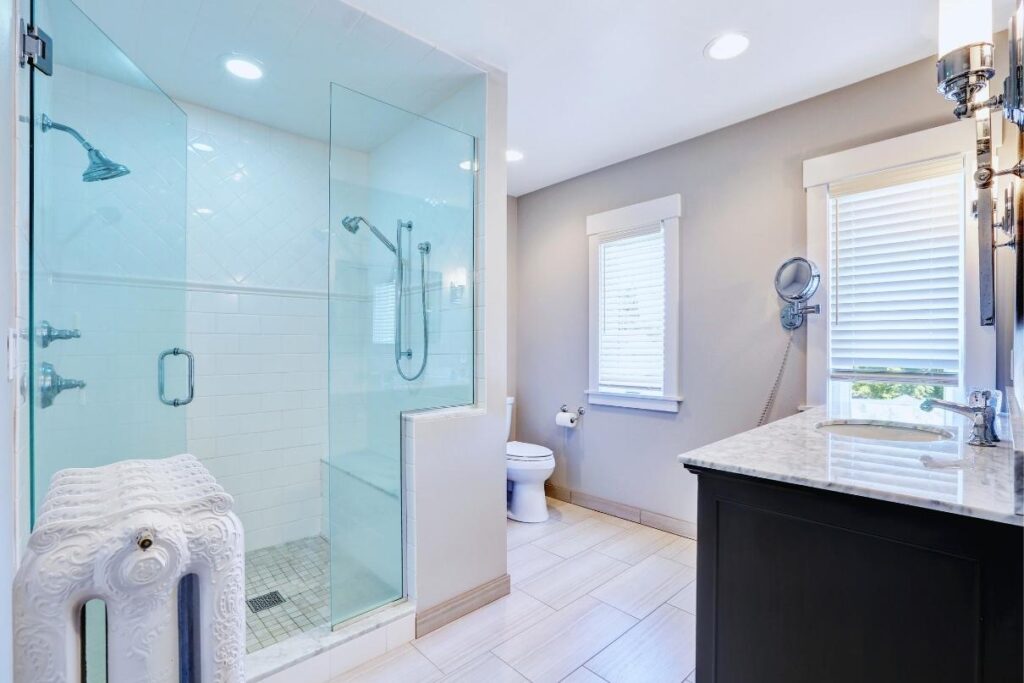
Bathroom safety and accessibility have become major priorities for homeowners in recent years. Whether you’re planning to age in place, helping a parent modify their home, or simply looking for a safer bathing solution, walk-in showers are one of the most popular upgrades. They eliminate high tub walls, reduce slip hazards, and create a more open, comfortable bathing space.
But before beginning a renovation, one of the first questions most homeowners ask is simple: how much does a walk-in shower cost?
The answer depends on several factors, including shower size, materials, labor, plumbing changes, and optional safety features. At UltraTubs, we regularly speak with homeowners who are exploring accessible bathroom upgrades, including both walk-in showers and walk-in bathtubs designed for safer bathing. Understanding the typical cost ranges and what affects pricing can help you plan your renovation with confidence.
Average Cost of a Walk-In Shower
The cost of installing a walk-in shower can vary widely depending on the complexity of the project and the materials you choose. In general, homeowners can expect the following price ranges.
A basic walk-in shower installation typically costs between $3,500 and $7,000. These projects often involve replacing an existing bathtub with a prefabricated shower unit, minimal plumbing changes, and standard wall panels.
A mid-range walk-in shower renovation usually falls between $7,000 and $12,000. At this level, homeowners often choose custom tile, upgraded fixtures, glass shower doors, and improved drainage systems.
A high-end custom walk-in shower can cost $12,000 to $20,000 or more, especially if the project includes premium tilework, built-in benches, luxury fixtures, heated flooring, or structural modifications to the bathroom layout.
While these averages provide a helpful starting point, the final cost depends on several details unique to each home and renovation plan.
Factors That Influence Walk-In Shower Costs
Shower Size and Layout
One of the biggest factors affecting the cost of a walk-in shower is its overall size and configuration. Larger showers require more materials, additional waterproofing, and more labor during installation.
A compact walk-in shower designed to fit into a standard tub space will generally cost less than a large open shower with multiple glass panels or a full wet-room design.
If the renovation requires removing walls, relocating plumbing, or expanding the bathroom footprint, costs can increase significantly.
For homeowners focused on accessibility and comfort, the layout also plays an important role. Features like wider entryways, barrier-free thresholds, and additional space for mobility devices may increase construction complexity but greatly improve usability.
Materials and Finishes
Material choices can dramatically affect the total cost of a walk-in shower.
Prefabricated acrylic or fiberglass shower surrounds are among the most affordable options. These systems install quickly and require minimal maintenance, making them a practical choice for many homeowners.
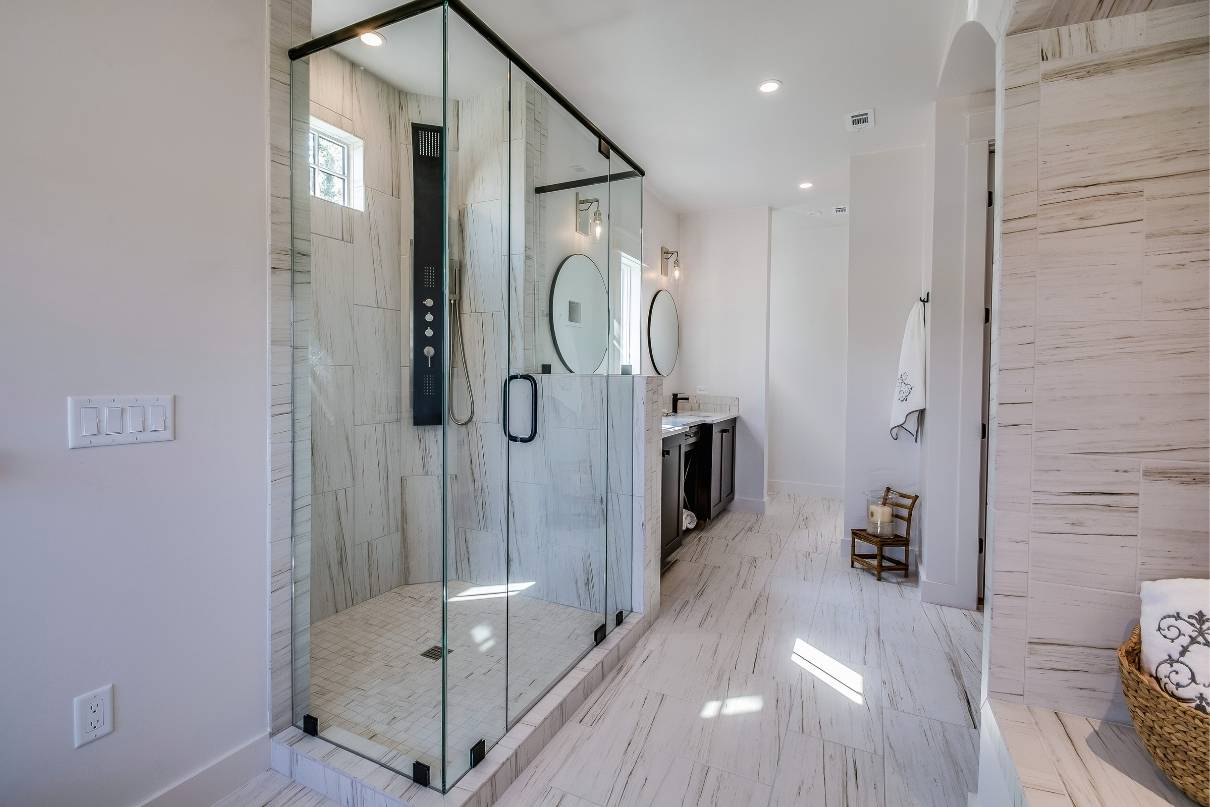
Tile showers, on the other hand, offer greater design flexibility but require more labor and materials. Natural stone, porcelain, and ceramic tile can elevate the appearance of a bathroom but also increase installation time and cost.
Other material upgrades that affect pricing include:
- Frameless glass shower doors
- Custom shower niches or shelving
- Decorative tile patterns or mosaics
- Stone or quartz shower bases
These features enhance the overall look of the bathroom but can add thousands of dollars to the project.
Plumbing and Drainage Modifications
In many homes, converting a traditional bathtub into a walk-in shower requires plumbing adjustments. Moving the showerhead, relocating the drain, or upgrading the plumbing system can increase labor costs.
Drainage is particularly important in walk-in shower installations. Proper slope, waterproofing, and drain placement help prevent water damage and ensure efficient water flow.
Barrier-free or curbless showers often require additional floor preparation to maintain proper drainage without creating a raised threshold. This can involve subfloor modifications or specialized waterproofing systems.
While these upgrades add cost, they are critical for long-term durability and safety.
Labor and Installation Costs
Labor is a significant portion of any bathroom renovation. Professional installation ensures that the shower is properly waterproofed, structurally sound, and compliant with building codes.
Depending on the complexity of the project, labor can account for 40% to 60% of the total renovation cost.
Experienced contractors typically handle several important tasks during installation, including:
- Removing the existing tub or shower
- Updating plumbing connections
- Installing waterproof backer boards
- Applying tile or wall panels
- Sealing joints and installing fixtures
Skilled labor is especially important for walk-in showers because improper waterproofing can lead to costly water damage over time.
Accessibility Features That Affect Cost
Many homeowners choose walk-in showers specifically for their safety and accessibility benefits. Adding these features may increase the cost slightly, but they significantly improve usability and peace of mind.
Barrier-Free Entry
A barrier-free or curbless shower eliminates the step at the entrance. This design makes it easier for individuals with limited mobility to enter and exit the shower safely.
Creating a barrier-free design often requires adjusting the bathroom floor structure to maintain proper drainage while keeping the entry level with the floor.
Built-In Seating
A built-in shower bench or fold-down seat allows users to sit comfortably while bathing. This feature is particularly helpful for older adults, people recovering from injury, or anyone who finds standing for long periods difficult.
While benches add to the installation cost, they are one of the most valuable accessibility upgrades.
Grab Bars and Safety Supports
Grab bars provide stability when entering, exiting, or moving within the shower. Modern designs integrate seamlessly into the bathroom and can match other fixtures.
Properly installed grab bars must anchor securely to wall studs or reinforced backing to ensure safety.
Handheld Showerheads
A handheld showerhead allows users to direct water easily while seated or standing. These fixtures are especially useful for individuals with limited mobility and caregivers assisting someone during bathing.
Although relatively inexpensive, this upgrade greatly improves convenience and accessibility.
Converting a Bathtub to a Walk-In Shower
One of the most common bathroom renovation projects is converting an existing bathtub into a walk-in shower. This option allows homeowners to upgrade their bathroom without completely redesigning the space.
Tub-to-shower conversions typically cost between $4,500 and $10,000, depending on materials and features.
This type of renovation usually involves removing the bathtub, preparing the surrounding walls, installing a new shower base, and adding wall panels or tile.
Many homeowners choose this option because it provides a safer bathing solution while maintaining the existing plumbing layout. In some cases, homeowners may also explore alternatives such as walk-in bathtubs, which combine accessibility with the option to enjoy a relaxing soak.
Both solutions address the same goal: creating a safer and more comfortable bathing experience at home.
Custom Walk-In Showers vs Prefabricated Systems
Another important decision when planning a walk-in shower is choosing between a custom design and a prefabricated system.
Prefabricated showers are manufactured in standard sizes and installed as a single unit or in modular sections. They are typically faster to install and more budget-friendly.
Custom showers, on the other hand, are built on site using tile, stone, or specialty materials. They allow homeowners to personalize the size, layout, and appearance of the shower.
While custom showers offer greater design flexibility, they also require more labor, which increases the total cost.
The best option depends on your priorities, budget, and the existing structure of your bathroom.
Additional Bathroom Renovation Costs to Consider
When budgeting for a walk-in shower, it’s important to account for additional costs that may arise during the renovation.
Many bathroom upgrades involve improvements beyond the shower itself. Homeowners sometimes choose to update flooring, lighting, vanities, or ventilation systems at the same time.
Common additional costs may include:
- New bathroom flooring
- Improved lighting fixtures
- Updated plumbing fixtures
- Bathroom ventilation upgrades
- Structural repairs discovered during demolition
These updates can increase the overall renovation budget but may also enhance the long-term value and functionality of the space.
Walk-In Shower vs Walk-In Bathtub Cost
While researching bathroom accessibility upgrades, many homeowners compare walk-in showers with walk-in bathtubs.
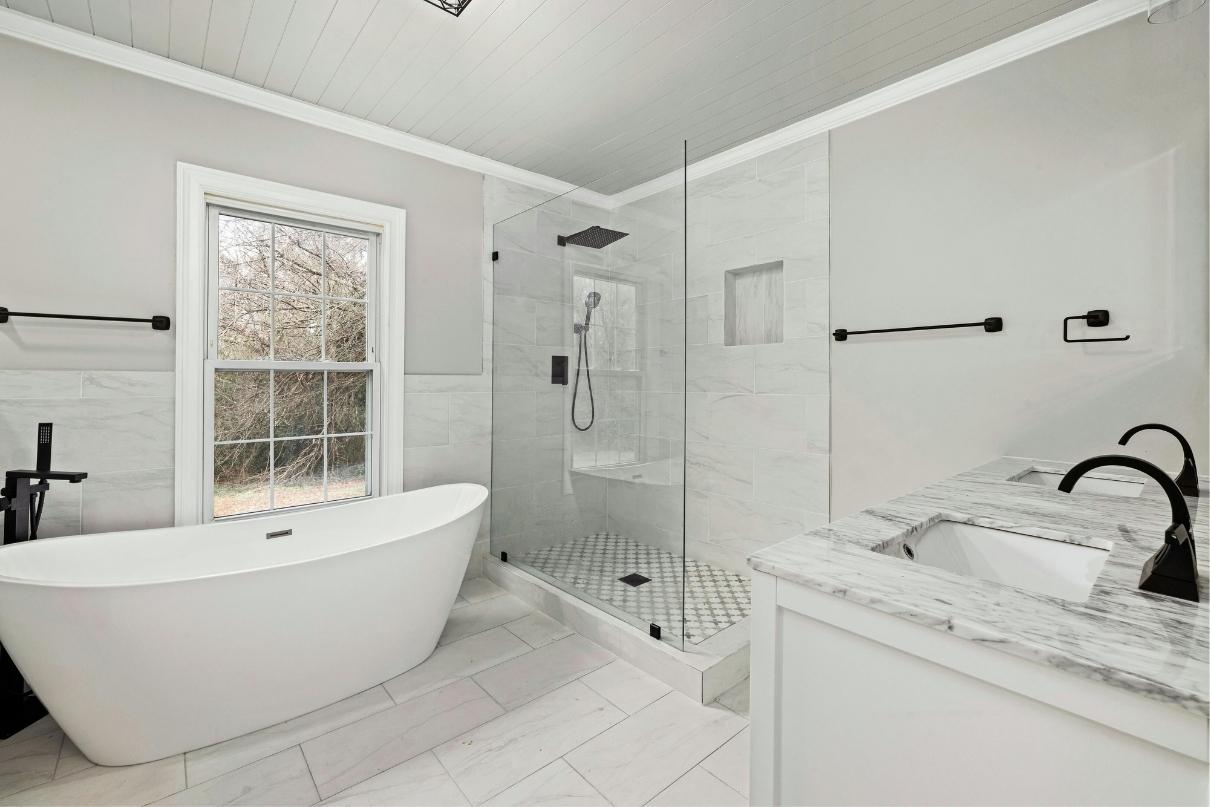
Walk-in bathtubs generally cost $8,000 to $20,000 installed, depending on features such as hydrotherapy jets, fast-drain technology, heated seating, and therapeutic air systems.
The right choice depends on personal preferences and mobility needs.
Walk-in showers provide easy access and quick bathing, while walk-in bathtubs allow users to enjoy a seated soaking experience with added safety features.
Both options are designed to reduce the risk of slips and falls while helping individuals maintain independence at home.
Is a Walk-In Shower Worth the Cost?
For many homeowners, installing a walk-in shower is more than just a bathroom upgrade—it’s an investment in safety, comfort, and long-term accessibility.
Traditional bathtubs can become difficult or dangerous to step over as mobility changes with age. Walk-in showers eliminate this obstacle and provide a safer bathing environment.
Beyond safety, these showers also enhance convenience. The open design makes cleaning easier, improves accessibility for caregivers, and creates a modern, spacious look in the bathroom.
Additionally, accessible bathroom features can increase a home’s appeal to future buyers who value aging-in-place design.
When considering the long-term benefits, many homeowners find that the investment is well worth the cost.
Final Thoughts
So, how much does a walk-in shower cost?
For most homeowners, the answer falls somewhere between $3,500 and $12,000, though luxury installations can exceed $20,000 depending on materials and customization.
The final price depends on the size of the shower, the materials selected, labor requirements, and any accessibility features included in the design.
Whether you’re planning for aging in place, helping a loved one create a safer bathroom, or simply modernizing your space, a walk-in shower can be a valuable upgrade that improves both safety and comfort.
